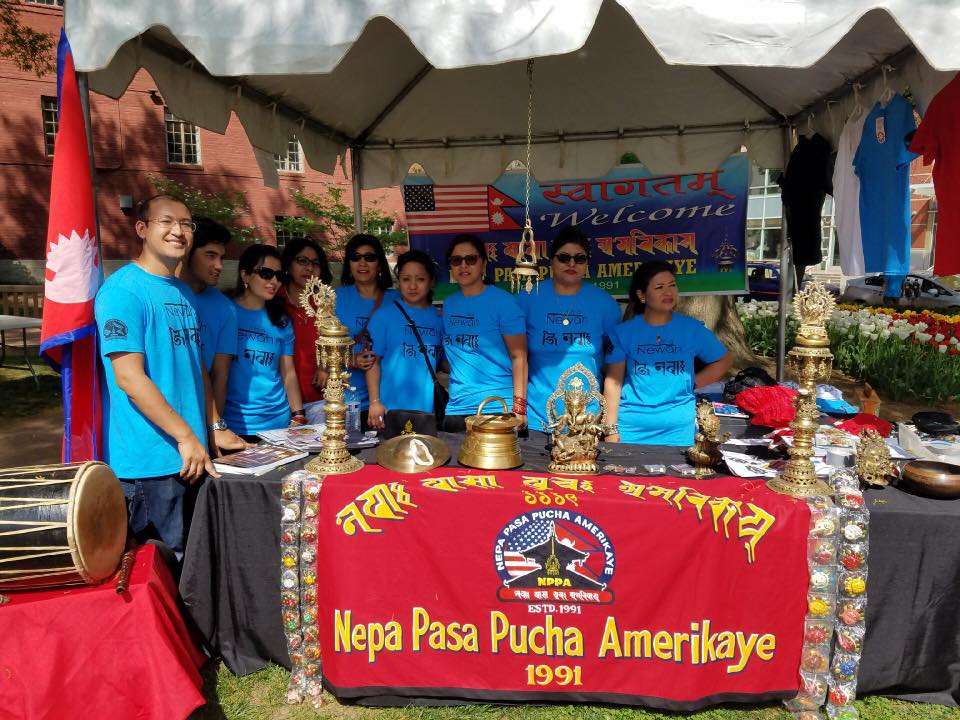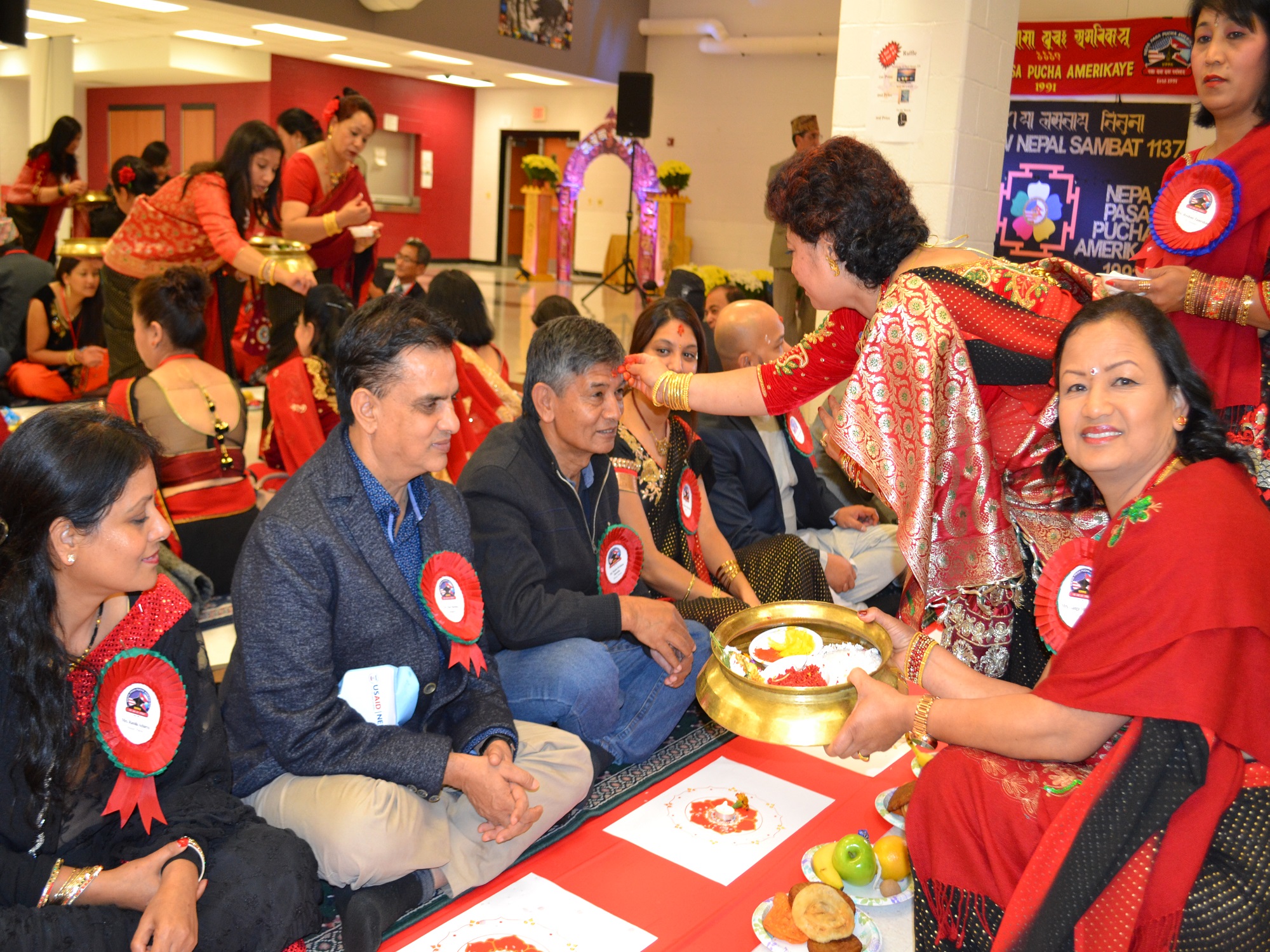
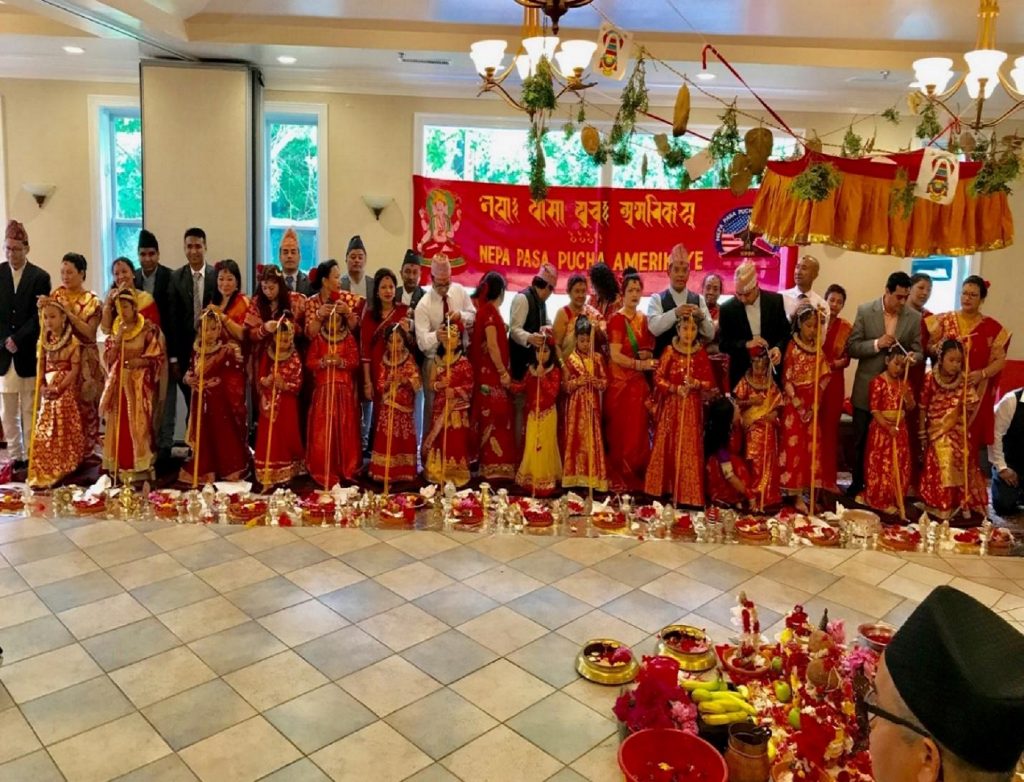
The idea about the first Newah organization–Nepa Pasa Pucha Amerikaye (NPPA) was formulated in November 1991 by members of the Newah community residing in the greater Washington D.C. metropolitan area. The role and contribution of Newah Guthi is noteworthy in the process of recognizing the need for a Newah community organization and creating NPPA. NPPA was officially registered in Washington DC under the leadership of former President Mr. Ram Malakar, and was incorporated with the following objectives:

About Us
Our Team


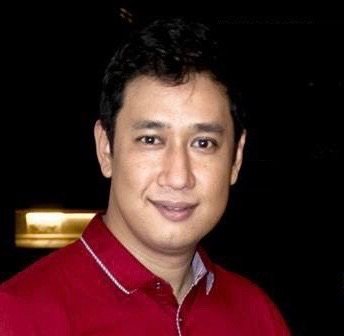



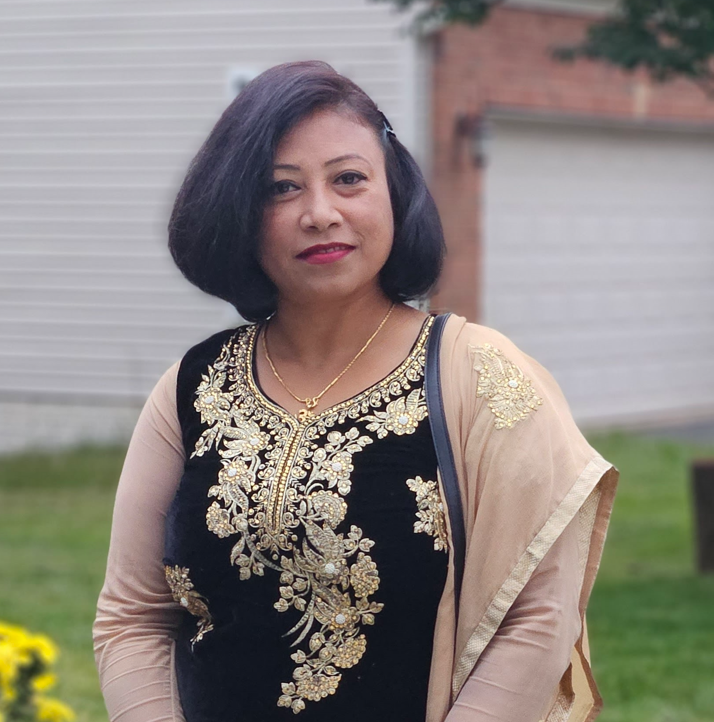
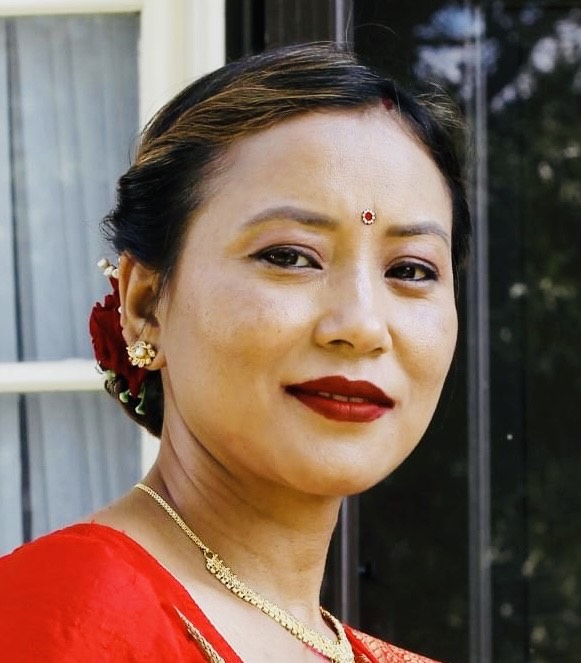
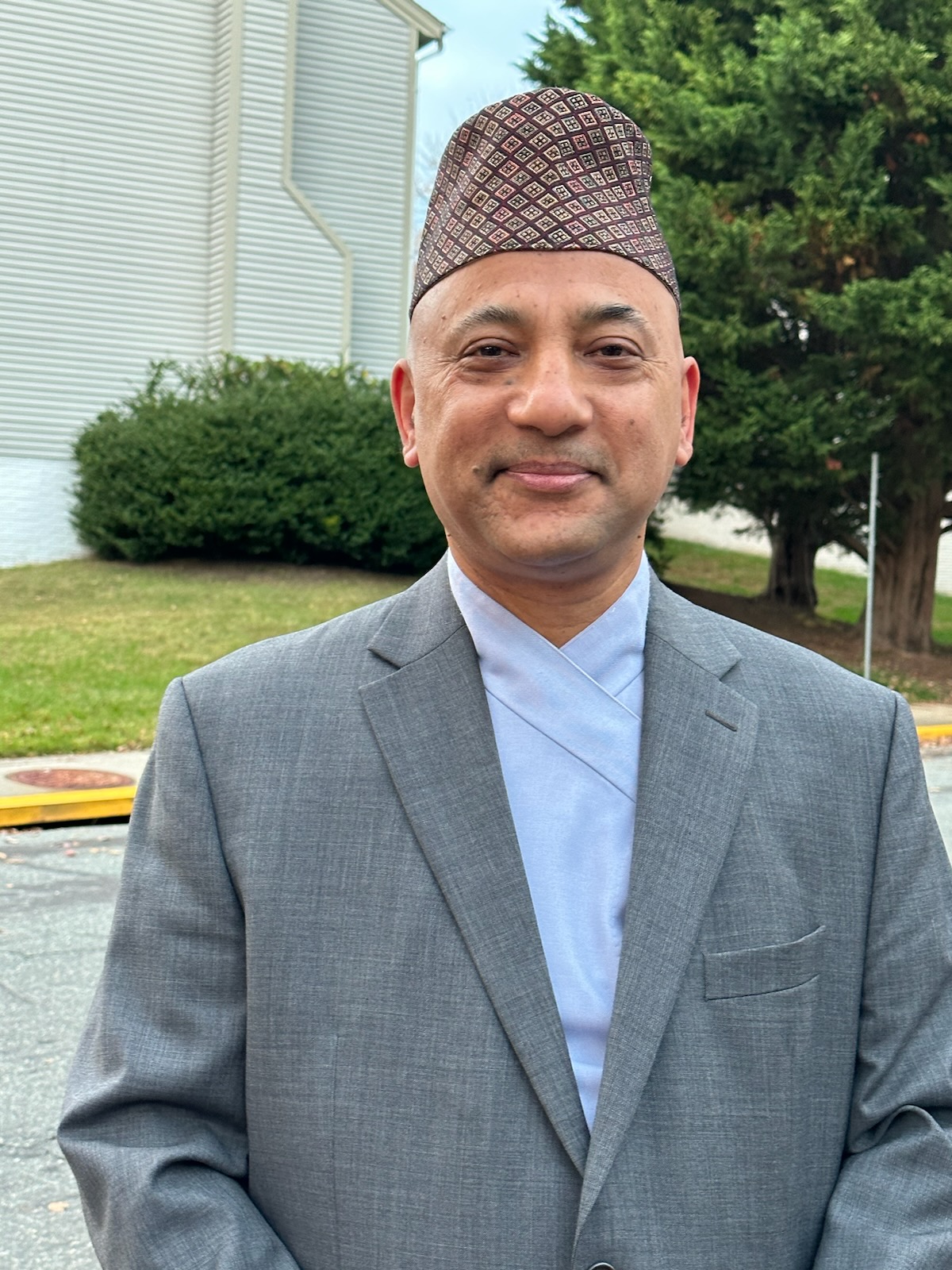
Mr. Manohar Shrestha
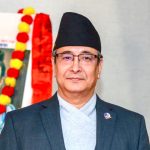
President
Mr. Manohar Shrestha is a Senior Business Intelligence professional. He has 25 plus years of Information Technology experience, which includes ten plus years of data warehousing and data analysis in various sectors. While in Nepal, he served as Senior Administrative Officer and Administrative Manager at the Royal Danish Embassy and U.S. Peace Corps/Nepal, respectively, where he was also responsible for development, implementation, and maintenance of the information technology systems. He was actively involved with the Red Cross in Nepal and coordinated several programs/events. He received his Masters of Business Administration degree from Tribhuvan University in Nepal. He resides in Aldie, Virginia with his caring wife Mrs. Anjaly, son Anugh, and daughter Aishwarya.
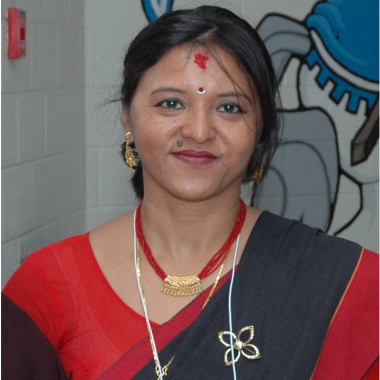
Mrs. Shanti Shrestha
Vice-President
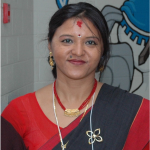
Mrs. Shanti Shrestha is currently working as a Desktop Specialist at EU Services in Rockville, Maryland. For more than 20 years, Shanti has been very active in the Nepali community in Washington, D.C Area. For the past decade, she has been helping Nepa Pasa Pucha Amerikaye in publishing the DABU Magazine yearly, volunteering different NPPA’s activities such as organizing cultural programs, administrating registration. Mrs. Shanti Shrestha was awarded for her exceptional and long-term service provided to NPPA. Mrs. Shrestha is also the Registration Chairwoman for the DC Nepali School in Vienna Virginia. She received her Associate in Arts from Prince George Community College and is also currently pursuing her BA in Business Management at University of Maryland, College Park. She currently lives in Gaithersburg, Maryland with her husband Mr. Pancha Shrestha, and her three children, Pukar Sweekar and Kriti.
Email: Shanti.Shrestha@nppa-usa.org
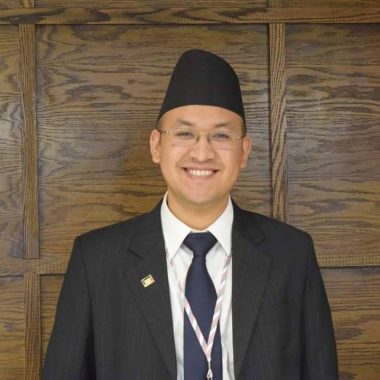
Mr. Allan Maharjan
Vice-President
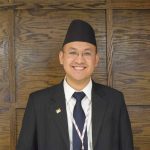
Mr. Allan Maharjan is an up and coming entrepreneur, currently managing a string of family owned jewelry stores. The stores span from multiple locations in Nepal, India and the United States of America. He has more than 10 years of experience in the jewelry industry, being involved in all aspects of it including manufacturing, grading, sales and finance. He has also worked on projects with Ridgewood Savings Bank and National Grid. He received his Masters in Business Administration in Executive Management from St. John’s University in New York and a double degree of Bachelors of Business Administration with concentration in Entrepreneurship and a Bachelors of Science with concentration in Business, Management and Finance from CUNY- Brooklyn College. He currently resides in Silver Spring, Maryland.
Mr. Suman Tuladhar
General Secretary
Mr. Suman Bir Tuladhar is a Senior Software Automation Engineer with more than 10 years of experience in the field of Information Technology with programming concentration. He has a Masters in computer science from University of Bridgeport, Connecticut. Mr. Tuladhar is currently working at 3M as Senior Software Automation Engineer and before 3M, he has worked for GE, Intermountain Healthcare, Ebas. He is also an up and coming entrepreneur, owns a gas station and a Nepali restaurant. He is one of the founding trustee members of Hindu Buddha temple in the Baltimore area. Mr. Tuladhar lives in Pasadena, Maryland with his wife Mrs. Pushpa and son Pramsu.
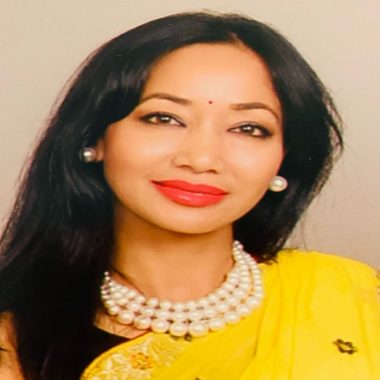
Mrs. Rohina Shrestha
Treasurer
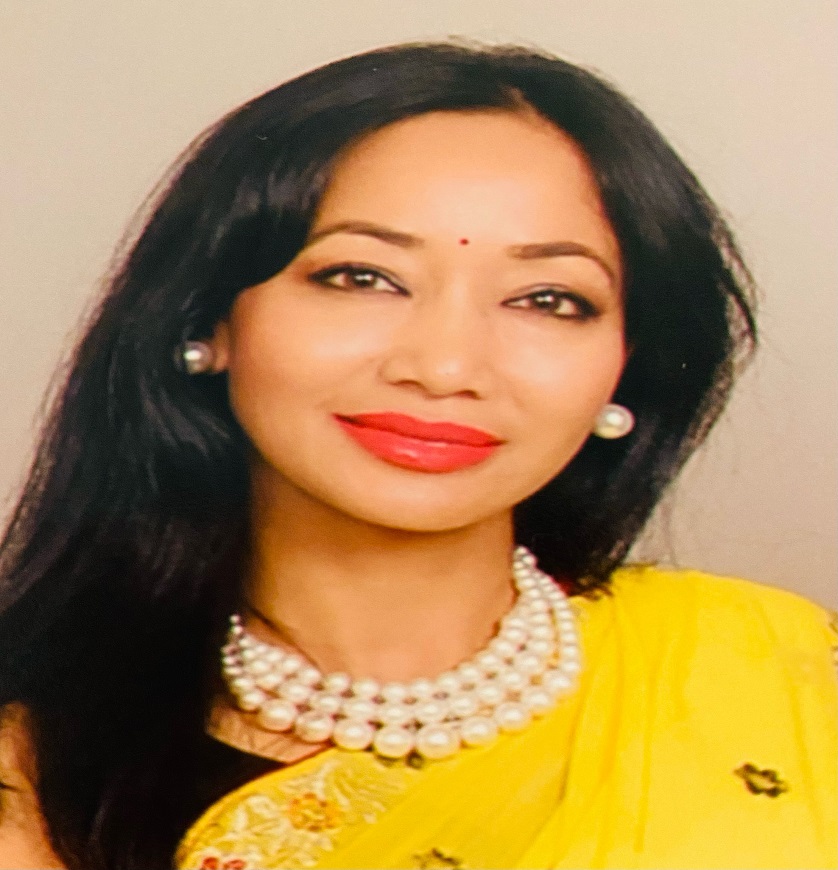
Mrs. Rohina Shrestha has a passion to work with children and is licensed in the state of Virginia to provide child care. She has also received multiple early childcare specialist certifications. Her passion has led her to own and operate a childcare business in Virginia. She strives in preparing children under her care for kindergarten as she strongly believes that those children who receive a proper grooming in the kindergarten are more likely to excel in their entire educational experiences. She enjoys biking, hiking, and outdoors. She has earned her BBS degree in Nepal. She resides in Aldie, Virginia with her husband Mr. Somendra Shrestha and daughter Avantika.
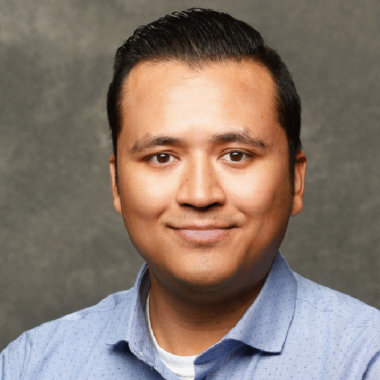
Mr. Samip Man Shrestha
Secretary
Mr. Samip M. Shrestha is an Army Veteran and Contract Specialist for Department of Homeland Security (DHS). He has more than 10 years of service with the Army and 5 years of experience in the Financial Services industry and Federal Government agency. He is currently serving as a Contract Specialist for Department of Homeland Security (DHS) Headquarters. He has worked as a Risk Management specialist at PriceWaterhouseCoopers (PwC), Fannie Mae and Capital One Bank. He is also a combat veteran with a combat deployment to Iraq in support of Operation Iraqi Freedom (OIF) in 2009. He received his Bachelor’s Degree in International Affairs from The Pennsylvania State University (PSU). He lives in Aldie, Virginia with his wife Mrs. Richal Shrestha, son Aaryav and his parents Mr. Anil Shrestha and Mrs. Sarmila Shrestha. He has been involved in various volunteering activities.
Mr. Sagun Tamrakar
Vice-Treasurer
Mr. Sagun Tamrakar is a Fellow Chartered Certified Accountant (FCCA), currently rendering his services at the World Bank Group at Washington DC. Besides his profession, he is deeply rooted into music as a Singer, Songwriter and Music Composer. He hails from a family with a vast musical and literature background. He is the eldest son of a renowned Singer late Mr. Ramesh Tamrakar and Poet/Author Mrs. Anjana Tamrakar. In his spare time, he loves creating music, making new friends, and enjoys being in the company of family and friends. Mr. Tamrakar studied at Association of Chartered Certified Accountants, London, UK. Prior to that, he studied at University of Pune, India. Currently, he resides in Springfield, Virginia with his caring wife Mrs. Shucheeta Shrestha Tamrakar, two lovely kids – daughter Shreeda and son Aaryav.
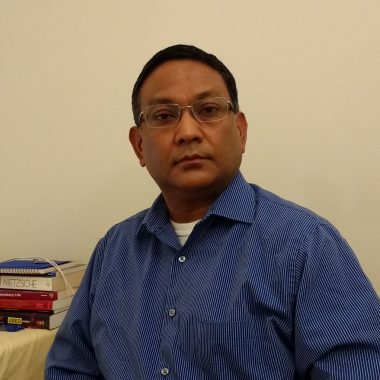
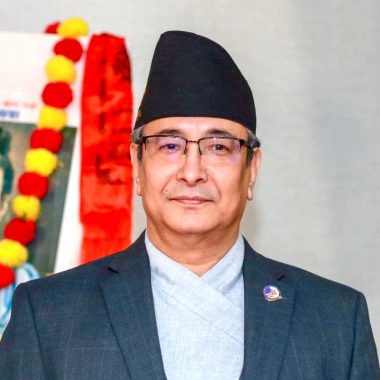
Dr. Raju Tamot
Executive Member
Dr. Raju Tamot earned his doctorate from Michigan State University in Socio-Cultural Anthropology and has over 20 years of teaching, social science research, and administrative experience. Earlier, he was a civil servant in Nepal and has also taught at Tribhuvan University, Kathmandu, and Western Michigan University, Kalamazoo, Michigan. As an anthropologist, Raju believes that culture is the invisible bond that ties people together and helps them to define their identities and build communities. It also helps people understand their heritage, traditional values, spiritual evolution, fears, and aspirations. He firmly believes that celebrating, preserving, and passing on Newah culture to future generations is our responsibility, for it gives the very meaning of life to Newahs. Raju is enthusiastically looking forward to be of service to assist the Executive Committee in promoting, preserving and strengthening the Newah cultural heritage in the U.S. and abroad. Raju lives in Rockville, Maryland with his loving wife, Mrs. Banita where they are devoted parents to their two wonderful boys, Devanshu and Snehal.
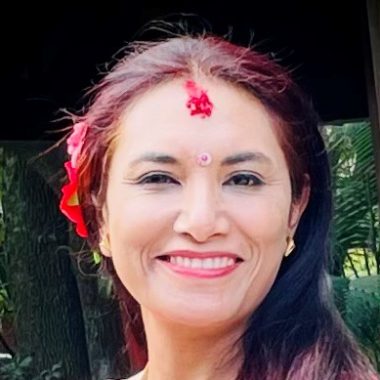
Mrs. Niti Mathema
Executive Member
Mrs. Niti Mathema has over 25 years of experience in the Business and Information Technology sectors. She started her career in the US as a Research Assistant, Robotic department in New Mexico Mining and Technology during her graduate program. For the past 20 years, she has been providing services to the US Department of Agriculture in various leadership capacities. She is currently working as an IT Project Manager. She received her Master’s degree in Computer Information System from the Strayer University, Washington DC. She lives in Springfield, Virginia with her husband Mr. Shambhu M. Sainju, son Nhisu, and daughter Niva.
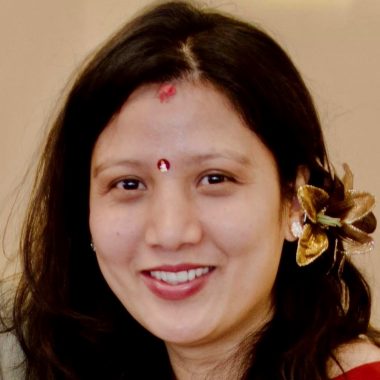
Mrs. Ramita Maharjan
Executive Member
Mrs. Ramita Maharjan has been a prominent member of NPPA since 2012. She finished her studies in economics from the Public Youth Campus in Nepal in 2002. She is a champion of traditional Newari/Nepali family values and believes that cultural preservation begins at home. She resides in Kensington, Maryland with her husband Mr. Binesh Maharjan, daughter Shilu Maharjan, and in-laws Mr. Swoyambhu and Mrs. Bijaya Maharjan who have been great supporters of NPPA since its inception. Knowing the importance of family’s presence and parent’s positive contribution in early childhood development, she has been a full time mother since 2015. Since early 2020, she has been working as Nutrients Specialist Assistant for the Montgomery County Department of Sports and Recreation.
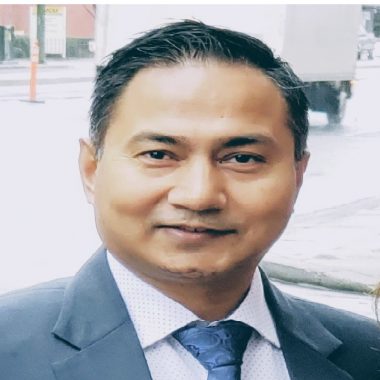
Mr. Jayaswor Shrestha
Executive Member
Mr. Jayaswor Shrestha is a Senior Functional Analyst (Workday Subject Matter Expert) at Takeda Pharmaceuticals. He arrived in the United States in 2007 and completed his BSBM studies from California University of Management and Science (CalUMS), Virginia. As a social service enthusiast he was associated with Reiyukai Nepal, Jacees, Lions Club, and many other organizations. He resides in Centreville, Virginia with his wife Mrs. Rekha Shrestha, daughter Roz Shrestha, and son Rnav Shrestha.
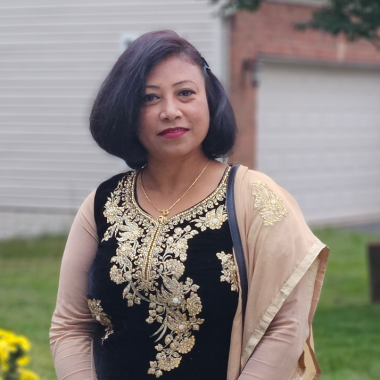
Mrs. Kanchan Khwaunju
Executive Member
Mrs. Kanchan Khwaunju works in the sector of Budgeting and Financial Analysis for a nonprofit global organization in the District of Columbia Headquarter, that mobilizes research, resources, and relationships in more than 60 countries. She has 20 years of working experience, which includes an initial five years in the private sector and 15 years managing grants and finance for a wider range of different International Non-Governmental Organizations such as UKAID, USAID, SDF (SAARC Development Fund), Italian Agency, etc. in the capacity of Finance Manager and Finance/Admin/HR Administrator while in Nepal.
Mrs. Khwaunju studied Master in Public Administration with a major in Public Finance from Tribhuvan University, Nepal, and a Master in Business Administration with a major in International Finance from Presidential Business School in Nepal, affiliated with Westcliff University in California, USA. She lived in the United States since 2019 and currently resides in Beltsville, Maryland with her husband Mr. Rahendra Raj Suwal, and sons Rabindra and Kabindra.
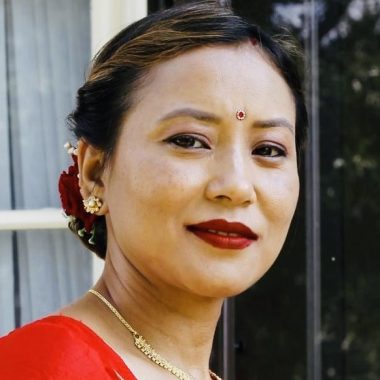
Mrs. Sabina Marharjan Suwalh
Executive Member
Mrs Sabina Marharjan Suwal is working as a customer delight at Montgomery County. She studied child growth and development at Montgomery College in 2013, and Bachelor of Business Studies from the Public Youth campus in Nepal(2000). She worked at the Image Channel board cast as a production assistant for 4 years, and also worked at the Kantipur TV board cast as a senior assistant video editor for 8 years. Other than that, she worked as a social service worker at Nepal Jaycees for 4 years as well. She likes to engage and celebrate Newari cultures and festivals. She has lived in the United States since 2011, and currently resides in Derwood, Maryland, alongside her husband, Sunil Suwal, and 2 kids, Suave Suwal and Subiv Suwal.
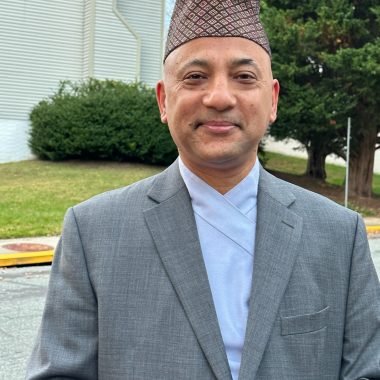
Mr. Prabin Tamrakar
NPPA Daboo Liaison
Mr. Prabin Tamrakar currently serves as the General Secretary of ANPBDS (American Nepal Traditional Buddhist Association), and since 2013 Prabin has been an active contributor to the Daboo, NPPA’s Souvenir Magazine. He presently serves as liaison for the organization’s yearly publication.
Prabin is also an accomplished singer and has performed on 3 musical albums, two of them as a featured artist and one solo album.
He has a great love of literature, contributing to the publication and distribution of several books of Newah literature. Organized by Nepalbhasa Times Prabin is also a key organizer of the Nepalbhasa Short Film Competition. Prabin has written articles in both Newah and English. He is also the co-founder and a producer of Nepalbhasa Times online program “Amerikaye Newah.” A popular talk and interview program which has now filmed more than 125 episodes. He is the host and producer of “Chinapa Jhinnyagu Minuteya Chajhaa.” This informative and motivational 15 minute program recently aired it’s 50th episode. These are just some of his contributions to the community and its culture.
Prabin’s efforts have served to link the diaspora communities to homeland and tradition not only in the Washington DC area but around the world.
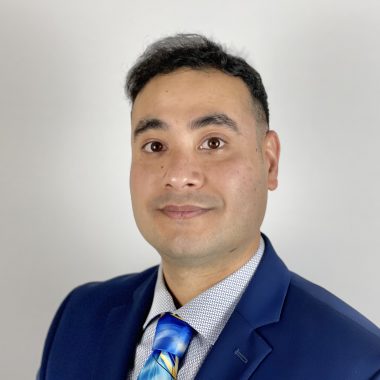
Mr. Anugh Shrestha
Manager – Information Technology
Mr. Anugh Shrestha is a Senior Technical Analyst in CGI Federal, Inc. He has been supporting the Environmental Protection Agency (EPA) as a federal contractor since 2015. Mr. Shrestha earned his Master’s degree in Data Analytics and Bachelor’s degree in Applied Information Technology from George Mason University. During his college career, he was a member of the Golden Key International Honor Society, where he served as Director of Technology and Public Relations. As the Information Technology manager, he aims to implement the latest software technologies to support NPPA’s activities and operations. He is also a guitar enthusiast and plays guitar in a local Nepalese rock band named Pasa Band. He currently resides in Aldie, Virginia.
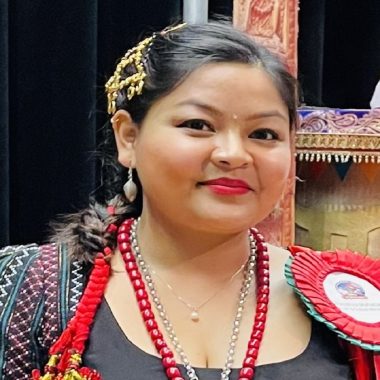
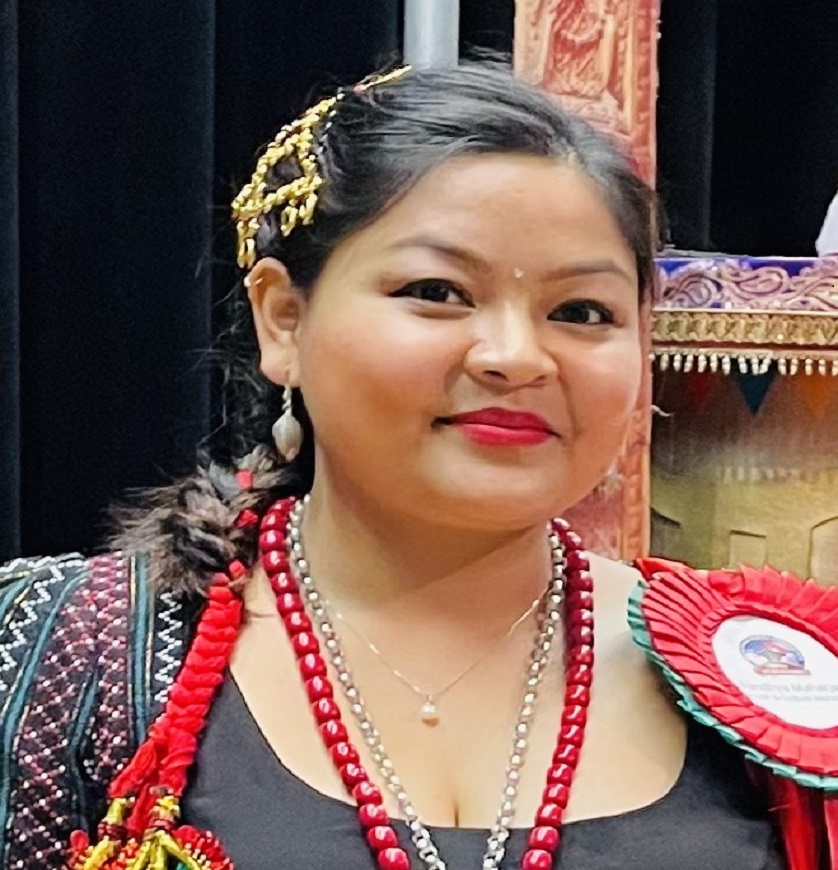
Ms. Sandhya Maharjan
Manager – Youth and Culture
Miss Sandhya Maharjan is a graduate student, currently doing her MBA-Accounting in University of the Potomac (DC). Her American dream started in 2016 when she joined Washington University of Science and Technology (Virginia) for her undergraduate degree. Born and brought up in deeply rooted Newari family in Bungamati, Lalitpur, Nepal, she has been playing Dhime (Newari music instrument) and performing Dhime dance since her early age. Her expertise of working as Administration Assistant (on-campus) and Retail Manager (DC) made herself competent to outshine along with cultural norms and values. She currently resides in Falls Church, Virginia.
Events
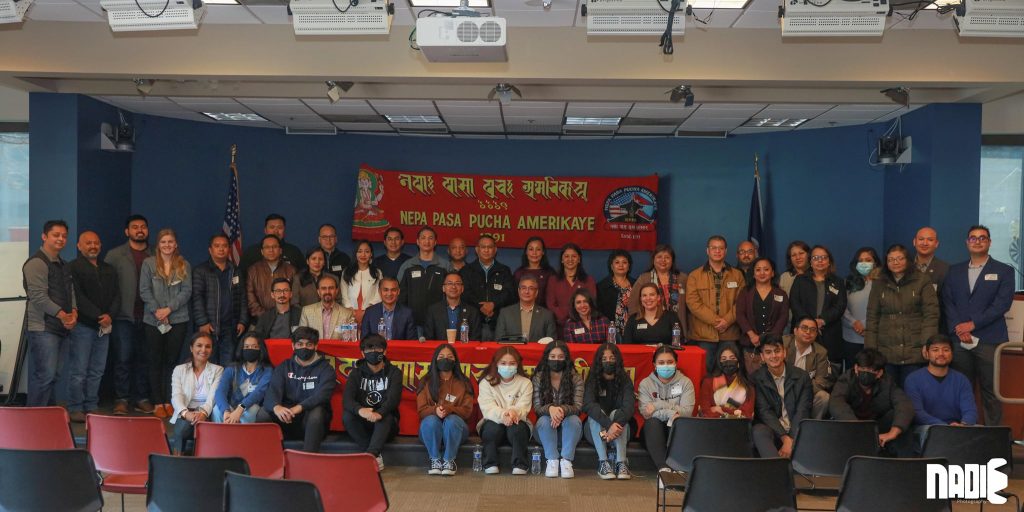
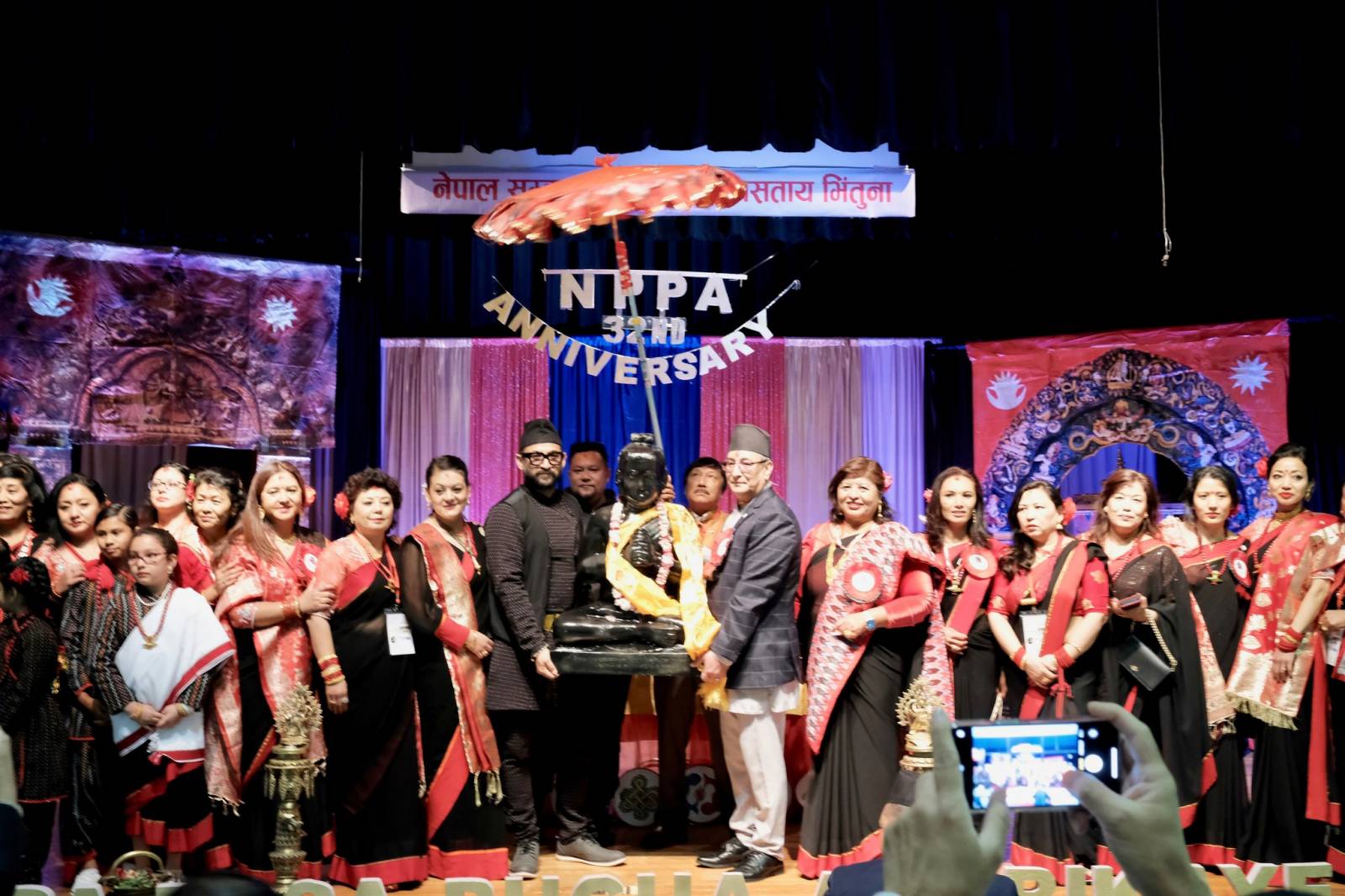
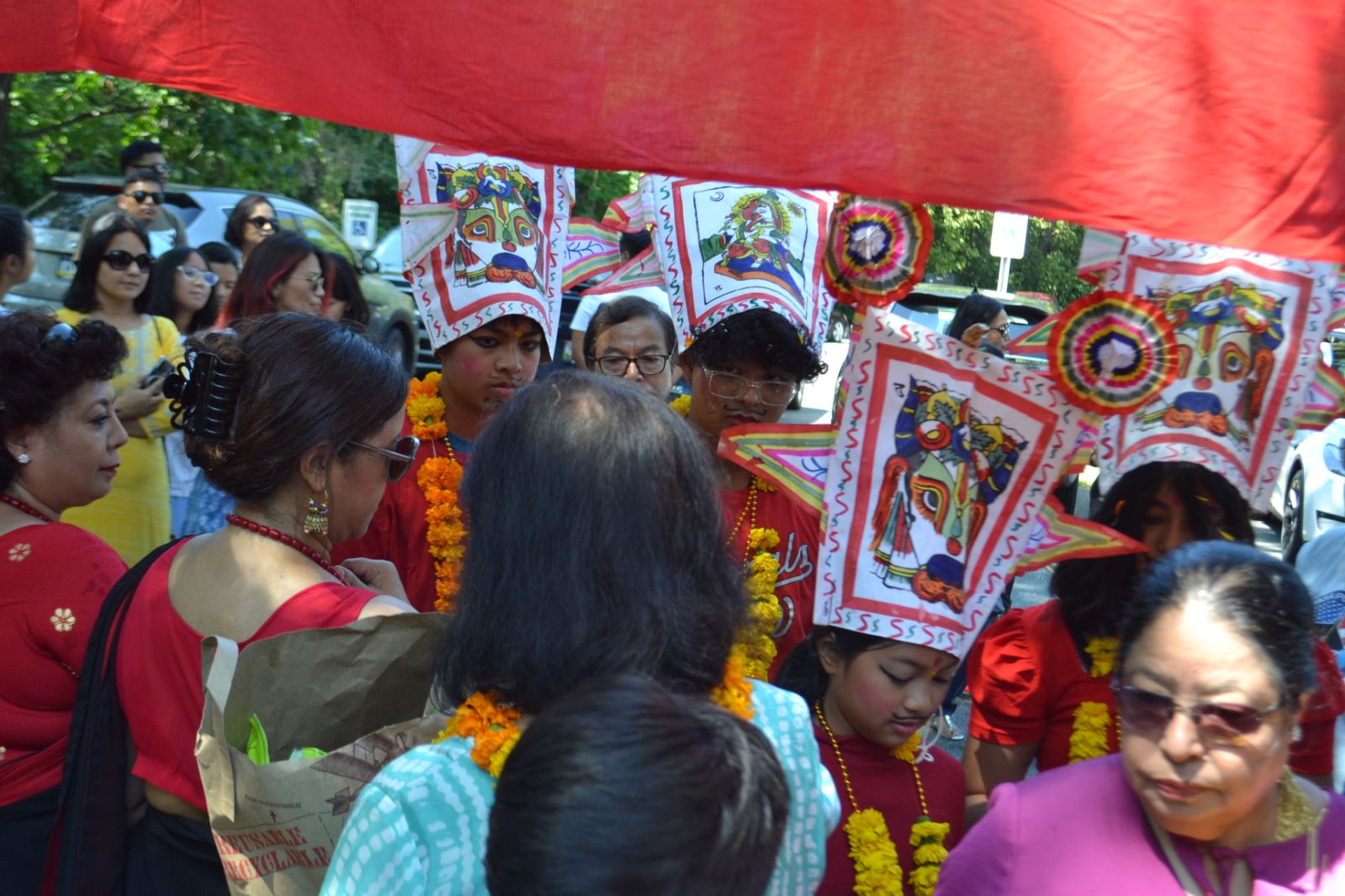
Press Releases
Press Release: 2024 NPPA Patrons & Life Member Honor Program and World Newah Day
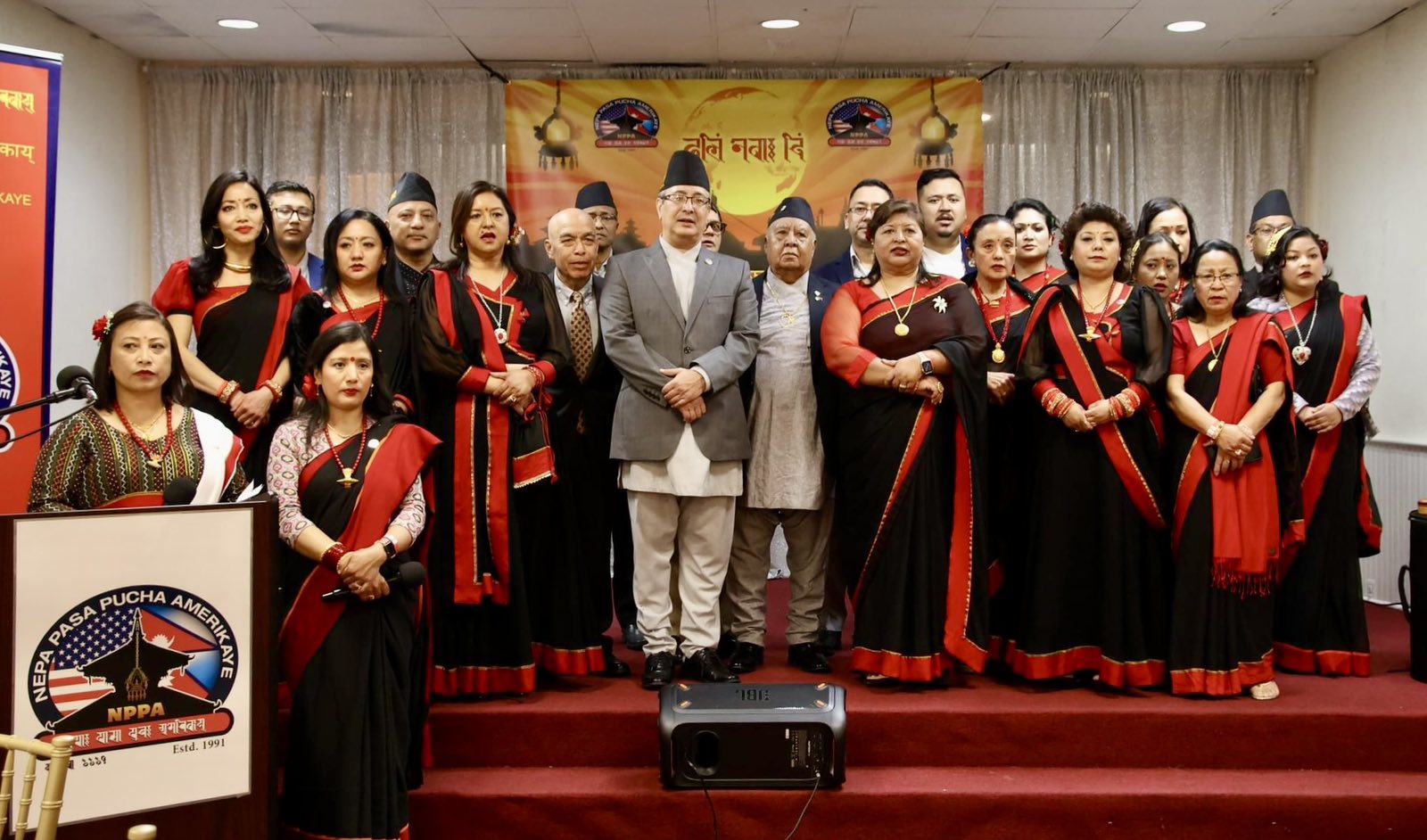
Nepa Pasa Pucha Amerikaye (NPPA) continued the tradition of honoring its Patrons & Life Members and celebrating World Newah Day, on Saturday, March 30, 2024, amidst a banquet and entertainment program at Tandoori Nights, Virginia, USA. About 200 Patrons, Life Members, and guests attended the event. The program started with a traditional Newah Dhimay procession, led by the Executive Committee members. Following the Procession, the National anthems of the United States and Nepal were played.
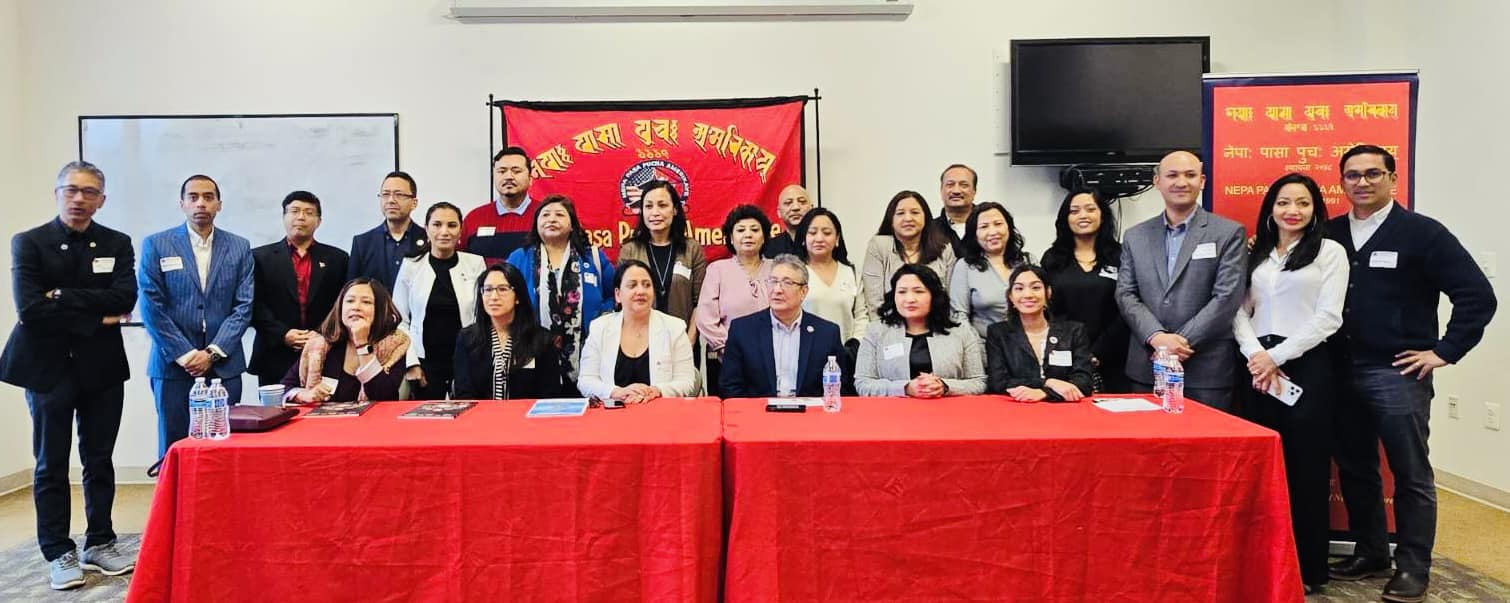
6th NPPA Youth Networking & Motivation Event Press Release
Nepa Pasa Pucha Amerikaye (NPPA) conducted its sixth Youth Networking and Motivation Event on Saturday, February 24, 2024 at the City of Fairfax Library, Virginia. NPPA General Secretary Mr. Suman Tuladhar initiated the event after a light refreshment. NPPA President Mr. Manohar Shrestha welcomed the participants and the panelists, and also highlighted the objectives of the event. Mr. Shrestha thanked the panelists for finding time despite their busy schedule and requested them to introduce themselves. Five panelists responded to various questions/concerns asked/raised by the student participants and parents.
Sa Paru & Summer Picnic Press Release
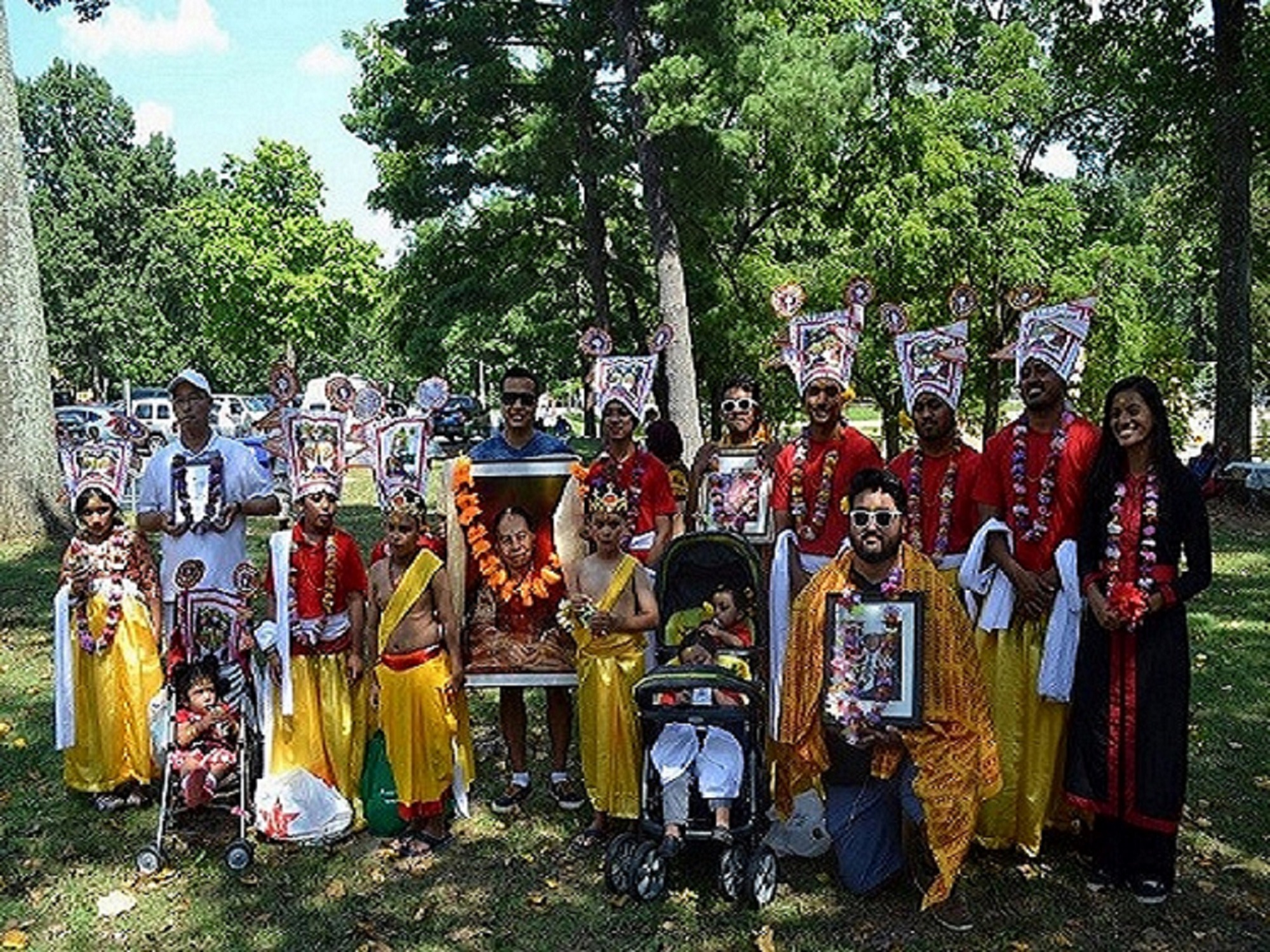
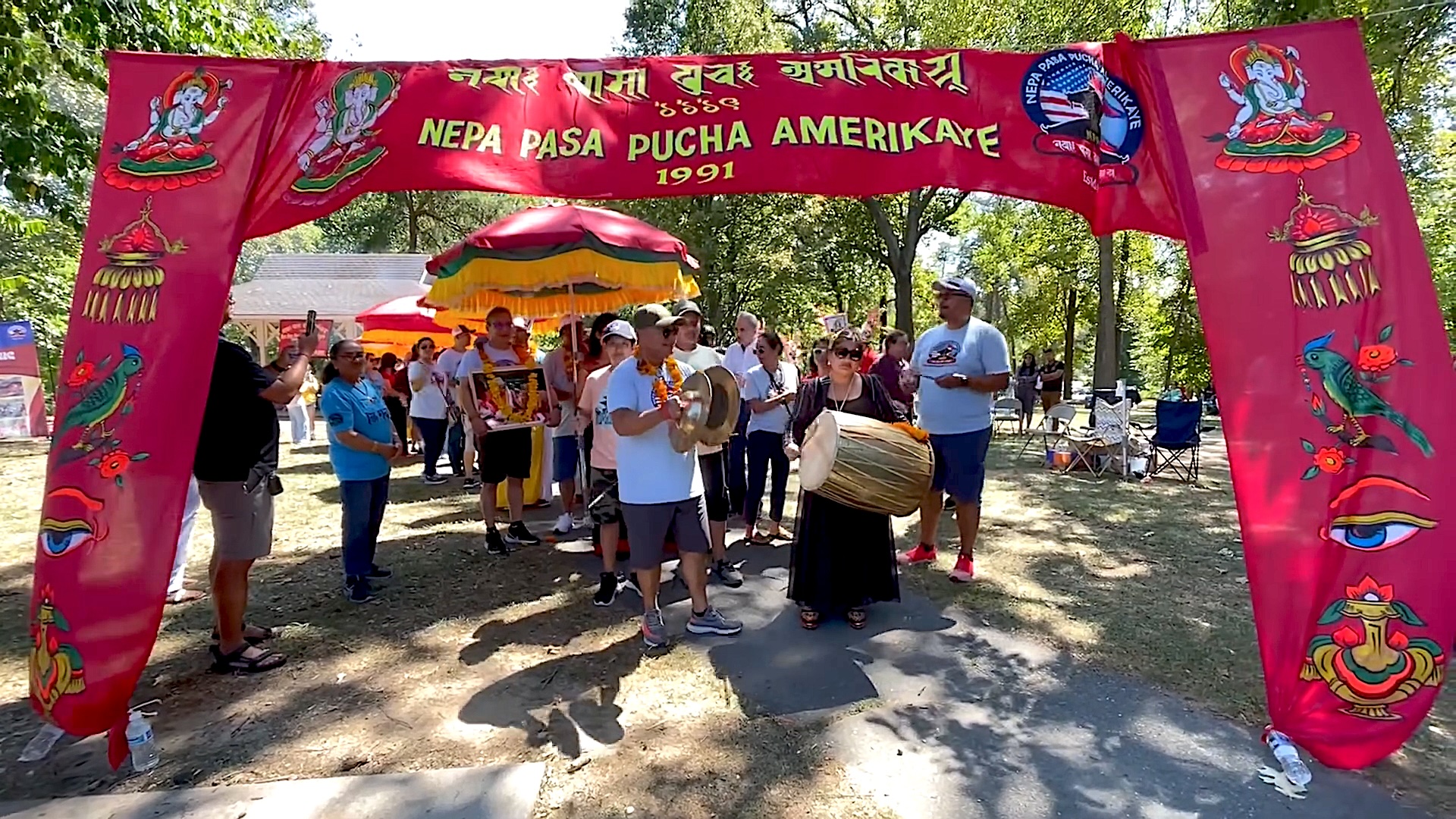
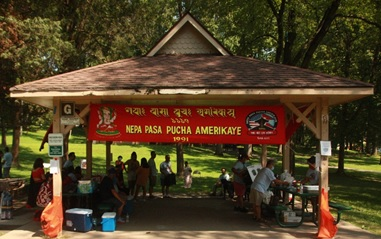
Dear NPPA Patrons, Life Members, and Community Members, Jwajalapa, Nepa Pasa Pucha Amerikaye (NPPA) observed this year’s Sa Paru and annual summer picnic on Saturday, September 2, 2023, at the Wheaton Regional Park, Silver Spring, Maryland. Sa Paru is a unique festival celebrated mostly by the Newahs (but not limited to) in Nepal. This festival is observed on the first lunar day of Gunlaga Bhadra (August/September) month. This festival started in the medieval era and was observed as a tantric ritual to pay homage to Yamaraj (यमराज), the lord of death in Hinduism. However, it is now observed in the memory of departed family member(s) and to celebrate their lives.